
OK – so you’re switching your mortgage. Together with bank statements and some other documentation, you’re going to need to supply your BER Certificate.
In January 2006, certs became mandatory for all new homes that applied for planning permission, and from January 2009 they became compulsary for all existing homes being sold or offered for rent.
The majority of mortgage switchers using the impartial doddl switching service are rolling off a fixed term rate – typically 3-4 years…. and so you’ll more than likely have a BER Certificate.
Step 1 – Check if you have a cert, and download it
If your home hasn’t undergone any energy efficiency upgrades, you can just download your existing certificate. Note that certificates expire after 10 years.
This will take you just a couple of minutes. Simply check the SEAI National BER Register to ensure the property doesn’t already have a valid certificate. You will need the home’s MPRN (from your electricity bill) or an existing BER number.
You can easily find your MPRN number on your utility bill.
If it turns out you don’t yet have a certificate, or if you’ve upgraded your home since your last certificate…
Step 2 – find a BER assessor
Locate an independent professional on the SEAI Register of BER Assessors and arrange your survey. It’s always recommended that you approach at least three for quotes as timelines and costs can vary.
Step 3 – get quotes
Ask each BER assessor for a quote (typically between €150 to €300+ depending on the size and type of your property), their availability and timeframe. If you have never applied for BER grant funding before, you can qualify for a €50 grant (often applied automatically if done alongside a Home Energy upgrade grant) from SEAI.
Step 4 – Prepare your paperwork and home
BER Assessors need access to all rooms conduct their survey, and you should also gather the following documents for them to ensure an efficient process:
For an assessment of a new building
Your assessor will need a considerable amount of documentation including for example, wall, roof and floor specifications and copies of certificates of performance for construction products and appliances installed in the property.
For an assessment of an existing building
You will need to provide your BER assessor with documentation of any upgrade works done to your property. Any documentation you may have regarding the original construction of the dwelling will also be beneficial.
Documentation includes certifications, receipts, invoices and/or specification documents from the architect, engineer or contractor who managed the works. These should clearly indicate the address of the property, the works carried out, and the products used.
Default values
If you cannot provide your BER Assessor with sufficient documentation of works on your home, they will use default values. Default values are based on construction type and the age of the building and are conservative estimates of the energy performance and as such, may result in your home receiving a lower BER rating than expected.
4. Receive your cert and advisory report
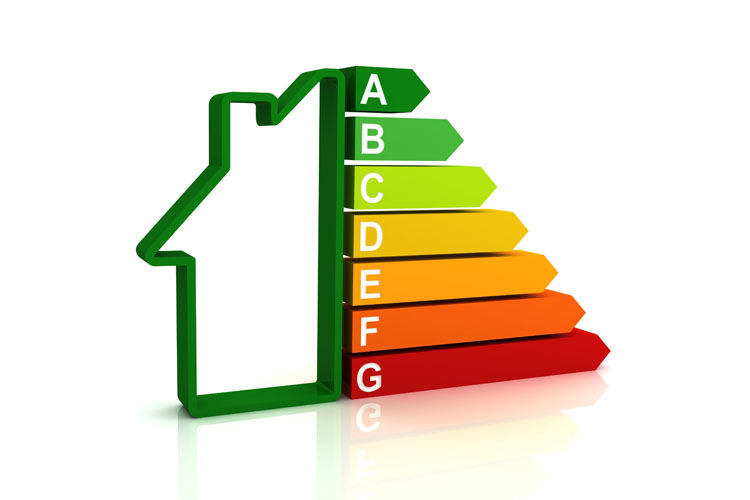
The assessor will enter the collected data into the official DEAP software to calculate your rating (from A to G). You will be emailed your official certificate and an advisory report detailing steps to improve your home’s energy efficiency.